
Why Choosing the Right Weight Loss Supplement Matters?
- The weight loss supplement market has never been larger. Every year, hundreds of new products promise to help people burn fat faster, boost metabolism, curb cravings, improve digestion, or support healthy body composition. At the same time, thousands of advertisements across social media, search engines, and online marketplaces make it difficult to separate evidence-based products from clever marketing. For many consumers, the biggest challenge isn’t finding a supplement—it’s deciding which one is actually worth buying.
- Learning how to choose a weight loss supplement is about much more than picking the product with the highest discount or the most dramatic testimonials. The right supplement should match your personal health goals, fit your lifestyle, contain transparent ingredients, and come from a company that values quality and safety. Even the most promising supplement cannot replace healthy eating, regular exercise, adequate sleep, and long-term consistency. Instead, it should serve as one part of a broader wellness strategy.
- This guide explains the factors that experienced supplement reviewers consider before recommending any product. You’ll learn how to evaluate ingredient lists, recognize marketing red flags, compare supplement formats, understand scientific evidence, and identify products that may be suitable for different goals such as metabolism support, gut health, liver wellness, or appetite management. By the end of this guide, you’ll be equipped to make a confident, informed purchasing decision instead of relying on flashy advertisements or unrealistic promises.
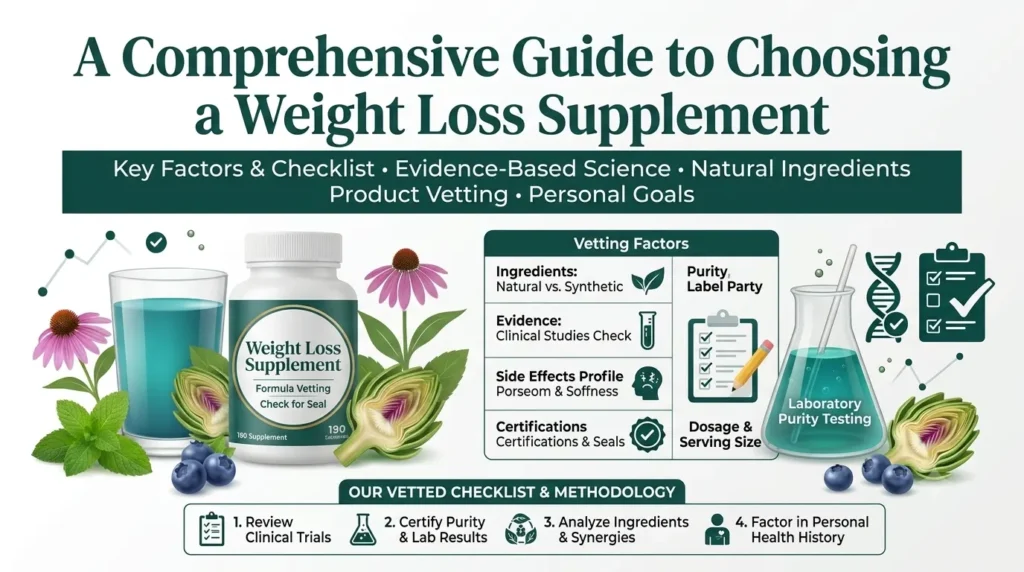
how to choose a weight loss supplement 10 Things to Check..
Before spending money on any supplement, review this simple checklist:
✔ Checklist | Why It Matters |
Ingredient transparency | Know exactly what you’re taking. |
Scientific evidence | Look for ingredients supported by published research. |
Manufacturing quality | Choose products made in GMP-certified facilities. |
Third-party testing | Independent testing improves confidence in quality. |
Money-back guarantee | Reduces purchasing risk. |
Customer reviews | Look for balanced, verified experiences. |
Brand reputation | Established brands tend to be more transparent. |
Price per serving | Compare long-term affordability. |
Official website | Helps avoid counterfeit products. |
Realistic claims | Avoid miracle promises and exaggerated advertising. |
What Are Weight Loss Supplements?
- Weight loss supplements are dietary products designed to support healthy weight management alongside proper nutrition and physical activity. They are available in many different forms, including capsules, powders, drink mixes, herbal teas, gummies, and liquid drops. Each format offers its own advantages depending on individual preferences, convenience, and daily routine.
- Unlike prescription medications that undergo extensive regulatory approval to treat obesity or related medical conditions, dietary supplements are intended to complement a healthy lifestyle rather than act as medical treatments. Some products focus on supporting metabolism, while others are formulated to encourage satiety, improve digestive health, promote liver wellness, or increase energy levels during physical activity. Their effectiveness depends on the ingredients they contain, the quality of the formulation, and how consistently they are used alongside healthy habits.
- It is also important to understand that no dietary supplement can override poor lifestyle choices. Someone who regularly consumes excess calories, avoids physical activity, and sleeps only a few hours each night is unlikely to experience meaningful long-term benefits from any supplement alone. Successful weight management almost always involves a combination of balanced nutrition, regular movement, adequate hydration, stress management, and realistic expectations.
- The wide variety of supplement categories available today reflects the fact that weight management is influenced by multiple factors, including metabolism, appetite, hormones, digestion, and behavioral habits. Understanding these differences is the first step toward choosing a product that aligns with your individual needs rather than following generic marketing claims.
How Weight Loss Supplements Work
- One of the biggest misconceptions about dietary supplements is that they all work the same way. In reality, different products are designed with different mechanisms in mind. Some formulas focus on helping you feel fuller for longer, while others aim to support metabolism, improve digestive health, or provide nutrients involved in energy production. Understanding these differences is essential when learning how to choose a weight loss supplement, because selecting a product that matches your specific goal is far more effective than buying whatever is currently trending.
- Another important point is that supplements are intended to support the body’s natural processes rather than force rapid weight loss. Sustainable weight management depends on maintaining a calorie deficit through balanced eating and physical activity. A well-formulated supplement may make this process easier by reducing cravings, supporting healthy digestion, or encouraging better energy levels, but it cannot compensate for unhealthy lifestyle habits. Products that claim to melt fat overnight or deliver dramatic results without diet and exercise should immediately raise concerns.
- Modern weight management supplements generally fall into several categories based on how they are formulated. Understanding these categories will help you compare products objectively instead of relying on marketing slogans.
1.Appetite Support
- Many people struggle with weight management because of frequent hunger or cravings rather than a slow metabolism. Appetite-support supplements are designed to help people feel satisfied between meals, making it easier to reduce unnecessary snacking and maintain healthier portion sizes.
- Ingredients such as dietary fiber, glucomannan, inulin, and certain plant extracts work by increasing feelings of fullness. Fiber absorbs water and expands in the digestive tract, slowing stomach emptying and helping people stay satisfied for longer periods. This doesn’t mean the supplement burns fat directly. Instead, it may indirectly support weight management by making it easier to consume fewer calories throughout the day.
- Appetite-support formulas often work best for individuals who constantly feel hungry despite eating balanced meals. They may also benefit people transitioning to healthier eating habits by making dietary changes feel more manageable. Results are generally gradual, and adequate water intake is essential when using fiber-based supplements.
2.Metabolism Support
- Metabolism refers to the collection of chemical processes that convert food into usable energy. While many advertisements promise to “boost metabolism,” the reality is more nuanced. Factors such as age, genetics, muscle mass, hormone levels, sleep quality, and physical activity have a much greater influence on metabolic rate than any supplement.
- That said, some ingredients have been studied for their potential to support normal energy expenditure. Caffeine, green tea extract, EGCG, and capsaicin are among the most researched compounds in this category. Rather than dramatically increasing calorie burn, these ingredients may produce modest improvements when combined with healthy lifestyle habits.
- Consumers should approach metabolism boosters with realistic expectations. Products that advertise impossible increases in calorie burning are rarely supported by credible scientific evidence. Instead, look for formulas that provide transparent ingredient dosages and explain how the ingredients work rather than relying on exaggerated promises.
3.Gut Health and Digestive Support
Growing scientific interest in the gut microbiome has led to the development of supplements that focus on digestive wellness rather than direct fat burning. Researchers continue to investigate how gut bacteria influence appetite regulation, inflammation, nutrient absorption, and metabolic health.
Products containing probiotics, prebiotics, and dietary fiber are intended to support a healthy balance of intestinal microorganisms. While these supplements should not be viewed as miracle weight-loss solutions, maintaining good digestive health may support overall wellness and make healthy eating habits easier to maintain.
Individuals experiencing bloating, irregular digestion, or poor dietary fiber intake may benefit from gut-focused formulas as part of a broader wellness routine. These products generally emphasize long-term digestive support rather than rapid changes on the scale.
4.Liver Support
- The liver performs hundreds of vital functions, including nutrient metabolism, detoxification, and fat processing. Some weight management supplements include ingredients intended to support normal liver function, especially in products marketed toward metabolic wellness.
- Herbal ingredients commonly used for liver support include milk thistle, turmeric, dandelion root, and antioxidant-rich plant extracts. While supporting liver health is beneficial for overall wellness, consumers should be cautious of products claiming that they “detoxify” the liver or directly melt away body fat through liver cleansing. The liver naturally detoxifies the body without the need for extreme detox products.
- When evaluating liver-support supplements, prioritize evidence-based formulations that promote normal liver function rather than exaggerated detox claims.
What Ingredients Should You Look For?
- Reading a supplement label can feel overwhelming when dozens of unfamiliar ingredients appear on the bottle. Fortunately, only a relatively small number of ingredients have been studied extensively for their potential role in weight management. Looking for these ingredients—and understanding what they actually do—can help you separate thoughtful formulations from products that rely on marketing hype.
- It’s also important to recognize that no single ingredient works for everyone. Different ingredients support different aspects of weight management, such as metabolism, digestion, appetite, or blood sugar balance. Choosing ingredients that align with your personal goals is far more important than simply selecting the supplement with the longest ingredient list.
1.Green Tea Extract
- Green tea extract is among the most researched ingredients in natural weight management supplements. It contains polyphenols known as catechins, particularly epigallocatechin gallate (EGCG), along with naturally occurring caffeine. Together, these compounds have been investigated for their ability to support healthy metabolism and fat oxidation.
- Some clinical studies suggest that green tea extract may produce modest improvements in calorie expenditure when combined with regular exercise and balanced nutrition. The effects tend to be relatively small rather than dramatic, but the ingredient remains popular because it has been extensively studied and is generally well tolerated when used appropriately.
- Consumers should pay attention to standardized extracts rather than vague references to “green tea blend.” Standardization helps indicate the amount of active compounds present in each serving. Individuals who are sensitive to caffeine should also consider whether the product contains significant caffeine levels.
2.EGCG
- EGCG is the primary antioxidant found in green tea and is often highlighted separately on supplement labels. Researchers have examined its potential role in supporting fat metabolism, reducing oxidative stress, and promoting overall metabolic health.
- Although EGCG has shown promising results in several studies, its effects are most noticeable when combined with healthy dietary habits rather than used in isolation. Excessively high doses are not recommended, particularly for individuals with liver conditions, making proper dosage transparency especially important.
- When evaluating products containing EGCG, choose brands that clearly list the amount per serving instead of hiding it inside proprietary blends.
3.Probiotics
- Probiotics are beneficial microorganisms that help maintain a healthy balance of bacteria in the digestive system. Different probiotic strains serve different purposes, and researchers continue exploring their relationship with body weight, inflammation, and digestive function.
- Rather than directly causing weight loss, probiotics may support digestive comfort, improve gut microbiome diversity, and encourage overall gastrointestinal health. Products that identify specific bacterial strains and provide colony-forming unit (CFU) counts generally demonstrate greater transparency than products using vague descriptions.
- Consistency is important because probiotic benefits usually develop gradually over several weeks rather than immediately.
4.Prebiotics and Inulin
- Prebiotics serve as food for beneficial gut bacteria. One of the best-known prebiotics is inulin, a soluble fiber naturally found in foods such as chicory root, onions, and garlic.
- Inulin helps nourish healthy gut bacteria while also increasing feelings of fullness and supporting digestive regularity. These combined effects may indirectly support healthy weight management by improving dietary satisfaction and digestive health.
- People who are new to high-fiber supplements should increase intake gradually while drinking plenty of water to minimize digestive discomfort.
5.Chromium
- Chromium is an essential trace mineral involved in carbohydrate, fat, and protein metabolism. It plays a role in helping insulin function properly, which is why it is commonly included in supplements designed to support healthy blood sugar levels and reduce food cravings. While chromium alone is not a magic weight-loss ingredient, some studies suggest it may help certain individuals manage appetite and reduce cravings for sugary foods, particularly when combined with a balanced diet and regular exercise.
- Research on chromium supplementation has produced mixed results. Some clinical trials report modest improvements in body weight and appetite control, while others show little difference compared to a placebo. This variation may be due to differences in dosage, participant health, and study duration. As a result, chromium should be viewed as a supportive nutrient rather than a primary fat-burning ingredient.
- When evaluating a supplement, look for clearly labeled forms such as chromium picolinate and avoid products that hide mineral amounts within proprietary blends. People with diabetes or those taking medications that affect blood sugar should consult their healthcare provider before using chromium supplements to avoid potential interactions.
6.Berberine
- Berberine is a naturally occurring compound extracted from several plants, including barberry and goldenseal. It has attracted significant scientific interest because of its potential effects on glucose metabolism, insulin sensitivity, and overall metabolic health. Although berberine is not specifically marketed as a traditional fat burner, many experts consider it one of the more promising natural ingredients for supporting long-term weight management in individuals with metabolic concerns.
- Several clinical studies suggest that berberine may help support healthy blood sugar regulation and improve insulin sensitivity when combined with healthy lifestyle changes. Since insulin plays a key role in how the body stores and uses energy, maintaining healthy insulin function may indirectly support weight management over time.
- Berberine is generally used for several months rather than a few weeks, as its benefits tend to develop gradually. Because it may interact with medications for diabetes, blood pressure, and blood clotting, it should always be used under medical supervision if prescription medications are involved.
7.Apple Cider Vinegar
- Apple cider vinegar has become one of the most recognizable ingredients in modern weight management supplements. It is available as liquid vinegar, capsules, gummies, and powdered drink mixes. Interest in apple cider vinegar stems from research suggesting it may modestly improve feelings of fullness after meals and support healthy blood sugar responses.
- The available evidence indicates that apple cider vinegar should not be viewed as a rapid weight-loss solution. Some small studies have observed modest improvements in appetite control and body weight when participants consistently consumed vinegar alongside calorie-controlled diets. However, the overall effects remain relatively small and require long-term consistency.
- Consumers should also be cautious about exaggerated marketing claims. Apple cider vinegar does not “melt fat,” detoxify the body, or produce dramatic changes within days. Liquid vinegar can also damage tooth enamel if consumed improperly, making capsules or gummies a more convenient option for some individuals.
8.Camu Camu
- Camu Camu is a tropical fruit native to the Amazon rainforest and is widely recognized for its exceptionally high vitamin C content. In recent years, it has become an ingredient in several metabolism-support supplements due to its antioxidant properties and emerging research involving gut health and metabolic function.
- Although research is still developing, preliminary studies suggest that antioxidant-rich foods like Camu Camu may support healthy inflammatory responses and contribute to overall metabolic wellness. Scientists continue investigating whether the fruit influences gut bacteria or energy metabolism, but larger human studies are still needed before strong conclusions can be drawn.
- Consumers should view Camu Camu as a supportive antioxidant ingredient rather than a direct fat burner. Products that include it alongside other evidence-based ingredients may offer broader wellness benefits than those relying on Camu Camu alone.
9.Ashwagandha
- Ashwagandha is one of the most widely studied adaptogenic herbs in nutritional science. Unlike traditional fat-burning ingredients, Ashwagandha primarily supports the body’s response to stress. Chronic stress can contribute to emotional eating, poor sleep quality, elevated cortisol levels, and difficulty maintaining healthy lifestyle habits, making stress management an important part of sustainable weight management.
- Several clinical studies have shown that Ashwagandha supplementation may help reduce perceived stress while improving sleep quality and overall well-being. Better stress management may indirectly support healthier eating patterns and improve adherence to exercise programs.
- When comparing supplements, look for standardized Ashwagandha extracts that specify the concentration of active compounds. Quality formulations typically identify the extract used rather than simply listing “Ashwagandha powder.”
10.Fiber
- Dietary fiber remains one of the most practical and scientifically supported ingredients for healthy weight management. Soluble fibers absorb water in the digestive tract, increasing fullness and slowing digestion. This can help reduce unnecessary snacking and improve satisfaction after meals.
- Many modern supplements use ingredients such as psyllium husk, glucomannan, oat fiber, or inulin to increase fiber intake. These ingredients do not directly burn fat but may support calorie control by making healthy eating more satisfying.
- Individuals increasing fiber intake should do so gradually while drinking adequate water to reduce the likelihood of bloating or digestive discomfort.
Herbal Extracts Commonly Used in Weight Management
Many supplements include proprietary combinations of botanical ingredients intended to support metabolism, digestion, or energy production. Common examples include:
Herbal Ingredient | Potential Purpose | Evidence Strength |
Green Coffee Bean | Metabolism support | Moderate |
Garcinia Cambogia | Appetite support | Limited |
Cayenne Pepper (Capsaicin) | Thermogenesis | Moderate |
Ginger Root | Digestive support | Moderate |
Turmeric | Inflammation support | Moderate |
Milk Thistle | Liver support | Moderate |
Dandelion Root | Traditional digestive support | Limited |
The presence of multiple herbal ingredients does not automatically make a supplement more effective. Quality, dosage transparency, and supporting research matter far more than the total number of ingredients.
how to choose a weight loss supplement Red Flags to Avoid
The supplement industry includes many reputable companies, but it also attracts misleading marketing practices. Learning to recognize warning signs can save you money and reduce the risk of purchasing low-quality or counterfeit products.
🚩 Unrealistic Weight-Loss Claims
Be skeptical of advertisements promising results such as:
- Lose 30 pounds in 30 days
- Melt belly fat overnight
- Eat anything you want and still lose weight
- No exercise required
- Guaranteed permanent weight loss
Healthy, sustainable weight loss is gradual. Products making extreme promises rarely have credible scientific support.
🚩 Proprietary Blends Without Dosages
Some manufacturers combine multiple ingredients into a single “proprietary blend” without revealing the amount of each ingredient. This makes it impossible to evaluate whether clinically studied dosages are actually present.
Choose supplements that clearly disclose the amount of every active ingredient.
🚩 Fake Before-and-After Photos
Photos can easily be edited or taken under different lighting conditions. While customer testimonials can be informative, they should never replace scientific evidence or ingredient transparency.
🚩 Fake Reviews
Watch for warning signs such as:
- Hundreds of identical five-star reviews
- Reviews lacking specific details
- Overly promotional language
- No verified purchase indicators
Independent review platforms often provide a more balanced picture than testimonials found only on sales pages.
🚩 Missing Refund Policy
Reputable supplement companies usually provide a money-back guarantee, allowing customers to try the product with reduced financial risk. The absence of any refund policy should encourage additional caution.
🚩 Poor Company Transparency
Trustworthy brands typically provide:
- A physical business address
- Customer support contact information
- Manufacturing details
- Ingredient sourcing information
- Frequently asked questions
If this information is difficult to find, consider alternative products.
🚩 Fake Celebrity Endorsements
Many misleading advertisements falsely imply endorsements from celebrities, physicians, or television personalities. Always verify endorsements through official sources rather than relying on social media advertisements.
How to Compare Different Types of Weight Loss Supplements
Not every supplement fits every lifestyle. Some people prefer mixing a drink each morning, while others want a simple capsule before breakfast. Understanding the strengths and limitations of each delivery method helps narrow your options.
Supplement Type | Advantages | Disadvantages | Best For |
Capsules | Convenient, precise dosage | Requires swallowing pills | Most adults |
Drink Mixes | Easy morning routine, flavorful | Requires preparation | Coffee or smoothie drinkers |
Slimming Teas | Relaxing, hydration support | May require multiple cups daily | Tea lovers |
Powders | Flexible serving size | Less portable | Home users |
Liquid Drops | Easy to adjust dosage | Taste varies | People avoiding pills |
Gummies | Pleasant taste | May contain added sugar | Beginners |
1.Capsules
Capsules remain the most popular format because they are easy to carry, require no preparation, and provide accurate dosing. Most premium supplements, including metabolism, probiotic, and liver-support formulas, use capsules because they protect ingredients and simplify daily use.
The primary disadvantage is that some individuals dislike swallowing pills. Otherwise, capsules offer an excellent balance of convenience, stability, and ingredient transparency.
2.Drink Mixes
Drink mixes have become increasingly popular because they integrate naturally into morning routines. Many users simply add a packet to coffee, water, or smoothies. This format is particularly common among metabolism-support products.
Drink mixes work well for individuals who already drink coffee every morning and prefer adding a supplement rather than remembering additional capsules.
3.Slimming Teas
Slimming teas appeal to people who enjoy relaxing tea rituals. Many formulas contain herbal ingredients that support digestion, hydration, and overall wellness.
However, consumers should avoid teas marketed primarily as laxatives for rapid weight loss. Temporary water loss is not the same as healthy fat loss.
4.Powders
Powders allow flexible serving sizes and often include protein, fiber, or meal replacement ingredients. They are popular among individuals who exercise regularly and want nutritional support alongside weight management.
The downside is convenience. Powders require mixing and are less portable than capsules.
5.Liquid Drops
Liquid supplements offer quick absorption and easy dose adjustment. Many people appreciate not having to swallow pills.
However, product quality varies considerably, making ingredient transparency especially important.
6.Gummies
Gummies have become increasingly common because they taste pleasant and encourage daily consistency. While convenient, they sometimes contain added sugars or lower amounts of active ingredients compared to capsules.
how to choose a weight loss supplement by Goal
No single supplement is the best choice for everyone. The ideal product depends on your health goals, ingredient preferences, lifestyle, and budget. Below are educational recommendations based on the primary focus of each product rather than exaggerated marketing claims.
1.Best for Slow Metabolism: Java Burn
Java Burn is designed as a coffee-based drink mix intended to complement an existing morning coffee routine. Its formula focuses on metabolism-support ingredients that integrate conveniently into daily habits.
Best for:
- Coffee drinkers
- Morning routines
- Individuals seeking metabolism support
Click here Java Burn official website
2.Best for Liver Support: Liv Pure
Liv Pure emphasizes liver wellness alongside metabolic support. The formula combines antioxidant and plant-based ingredients intended to promote healthy liver function as part of overall metabolic health.
Best for:
- Individuals interested in liver wellness
- Adults focusing on overall metabolic health
click here for liv Pure officical website
3.Best for Gut Health: LeanBiome
LeanBiome focuses primarily on the gut microbiome by combining probiotic strains with ingredients that support digestive health.
Best for:
- Digestive wellness
- Gut microbiome support
- Long-term healthy lifestyle routines
Related article:
- LeanBiome Review
4.Best Drink Mix: Ikaria Lean Belly Juice
Ikaria Lean Belly Juice combines powdered plant ingredients intended to support metabolism, digestion, and antioxidant intake.
Ideal for users who prefer preparing a daily nutritional drink instead of swallowing capsules.
Related article:
- Ikaria Lean Belly Juice Review
5.Best Capsule Formula: HepatoBurn
HepatoBurn combines metabolism-support ingredients with botanical extracts commonly used for liver wellness.
Best suited for adults seeking a straightforward capsule routine.
Related reading:
- HepatoBurn Review
6.Best Slimming Tea: All Day Slimming Tea
All Day Slimming Tea offers a tea-based approach emphasizing hydration, herbal ingredients, and daily wellness.
Recommended for:
- Tea drinkers
- Gentle daily routines
- Individuals avoiding capsules
See:
All Day Slimming Tea Review
7.Best Alternative Slimming Tea: Cardio Slimming Tea
Cardio Slimming Tea provides another tea option with a slightly different herbal profile. It may appeal to consumers interested in combining daily hydration with herbal wellness support.
See:
- Cardio Slimming Tea Review
- All Day Slimming Tea vs Cardio Slimming Tea
8.Best for Women Over 40
Women over 40 often experience hormonal changes that affect metabolism, body composition, and energy levels. Rather than searching for a miracle product, look for supplements containing well-researched ingredients that support healthy metabolism, digestive wellness, and overall nutrition.
For a detailed comparison, read:
Best Weight Loss Supplements for Women Over 40
9.Best for Beginners
New supplement users should prioritize products with:
- Transparent ingredient lists
- Moderate caffeine levels
- Clear instructions
- Money-back guarantees
- Strong customer support
Avoid highly stimulant-heavy formulas until you understand how your body responds.
10.Best Value
The best value is not necessarily the lowest-priced product. Instead, consider:
- Price per serving
- Ingredient quality
- Clinically studied ingredients
- Refund policy
- Manufacturing standards
Paying slightly more for a transparent, well-formulated supplement often provides better long-term value than purchasing inexpensive products with undisclosed blends.
Weight Loss Supplement Comparison Table
| Product | Type | Primary Goal | Best For | Money-Back Guarantee | Ease of Use | Overall Rating |
|---|---|---|---|---|---|---|
| Java Burn | Drink Mix | Metabolism | Coffee drinkers | Yes | ★★★★★ | 4.8/5 |
| Liv Pure | Capsule | Liver Support | Metabolic wellness | Yes | ★★★★★ | 4.8/5 |
| LeanBiome | Capsule | Gut Health | Digestive support | Yes | ★★★★★ | 4.7/5 |
| HepatoBurn | Capsule | Liver & Metabolism | Capsule users | Yes | ★★★★☆ | 4.6/5 |
| Ikaria Lean Belly Juice | Drink Mix | Overall Wellness | Smoothie users | Yes | ★★★★☆ | 4.6/5 |
| CitrusBurn | Capsule | Metabolism | General weight management | Yes | ★★★★☆ | 4.5/5 |
| Metabo Drops | Liquid Drops | Daily Convenience | Pill-free users | Yes | ★★★★☆ | 4.4/5 |
| AquaSculpt | Liquid Formula | Metabolism Support | Liquid supplement users | Yes | ★★★★☆ | 4.4/5 |
| All Day Slimming Tea | Tea | Daily Herbal Support | Tea drinkers | Yes | ★★★★☆ | 4.5/5 |
| Cardio Slimming Tea | Tea | Wellness Support | Herbal tea users | Yes | ★★★★☆ | 4.5/5 |
Questions to Ask Before Buying a Weight Loss Supplement
Choosing the right supplement starts with asking the right questions. Instead of focusing only on advertising claims or discount offers, evaluate each product using a consistent checklist. This approach helps you avoid impulse purchases and select a supplement that aligns with your health goals, lifestyle, and budget. A few minutes of research before buying can save both money and disappointment later.
- Does the Formula Contain Research-Backed Ingredients?
The ingredient list should be your first priority. Look for ingredients that have been studied in human clinical trials, such as green tea extract, EGCG, probiotics, prebiotics, berberine, chromium, dietary fiber, and certain herbal extracts. While no ingredient guarantees dramatic weight loss, evidence-based formulations are generally more trustworthy than products relying on trendy or mysterious ingredients.
- Is the Company Transparent?
Reputable supplement companies openly share:
- Complete ingredient lists
- Manufacturing standards
- Contact information
- Frequently Asked Questions
- Customer service details
- Return policies
Transparency demonstrates confidence in the product.
- Is There a Money-Back Guarantee?
Many reputable brands provide refund periods ranging from 60 to 180 days. A generous guarantee reduces financial risk and shows that the manufacturer stands behind its product.
- Does the Supplement Match Your Goals?
Not everyone has the same weight management challenges. Ask yourself:
- Do I struggle with cravings?
- Do I want metabolism support?
- Am I looking for digestive wellness?
- Do I prefer coffee, tea, capsules, or drink mixes?
- Am I trying to support healthy aging alongside weight management?
Matching the supplement to your personal goals is more important than buying the most popular product.
- Is It Affordable Long-Term?
Weight management is usually a long-term commitment. A supplement that fits your monthly budget is more sustainable than an expensive product that you stop using after a few weeks.
how to choose a weight loss supplement : Common Mistakes Buyers Make
Many disappointing experiences with weight loss supplements are caused not by poor products but by unrealistic expectations or purchasing mistakes. Avoiding these common errors will significantly improve your chances of making an informed decision.
1.Buying Based Only on Price
The cheapest supplement is not always the best value. Low-cost products sometimes use lower-quality ingredients, proprietary blends, or insufficient dosages. Instead of focusing solely on bottle price, compare the price per serving, ingredient quality, manufacturing standards, and money-back guarantee.
2.Buying Based on Marketing Hype
Colorful advertisements, celebrity images, and dramatic testimonials can be persuasive, but they should never replace careful research. Products that promise impossible results often rely on emotional marketing rather than scientific evidence.
3.Ignoring the Ingredient List
Many consumers never read the Supplement Facts label. This increases the risk of buying products with hidden proprietary blends, excessive stimulants, or ingredients unsupported by research.
4.Purchasing Counterfeit Products
Counterfeit supplements remain a growing concern. Buying from unofficial marketplaces or unknown third-party sellers increases the risk of receiving expired, diluted, or fake products.
5.Always purchase from the official website whenever possible to ensure authenticity, current promotional pricing, and eligibility for the manufacturer’s refund policy.
6.Expecting Overnight Results
Healthy weight management is gradual. Supplements work best when combined with balanced nutrition, physical activity, adequate sleep, and consistency. Any product promising dramatic changes within a few days should be viewed skeptically.
how to choose a weight loss supplement: Safety Considerations
Although dietary supplements are widely available, they are not appropriate for everyone. Even natural ingredients can interact with medications or existing health conditions.
Before starting any weight loss supplement, consider the following:
1.Medication Interactions
Some ingredients may interact with medications used for:
- Diabetes
- High blood pressure
- Blood thinning
- Thyroid disorders
- Depression or anxiety
Consult your healthcare provider before beginning supplementation if you take prescription medications.
2.Pregnancy and Breastfeeding
Most weight loss supplements are not recommended during pregnancy or breastfeeding unless specifically approved by a qualified healthcare professional.
3.Chronic Medical Conditions
Individuals managing conditions such as heart disease, kidney disease, liver disease, or autoimmune disorders should discuss supplement use with their physician.
4.Caffeine Sensitivity
Many metabolism-support supplements contain caffeine from coffee, green tea, guarana, or other botanical sources. Individuals sensitive to caffeine may experience:
- Restlessness
- Rapid heartbeat
- Difficulty sleeping
- Anxiety
- Digestive discomfort
Choose stimulant-free alternatives if caffeine causes unpleasant side effects.
3.Digestive Sensitivity
High-fiber supplements and probiotics may temporarily cause bloating or mild digestive changes while the body adjusts. Starting with the recommended serving size and maintaining adequate hydration can help minimize discomfort.
How to Maximize Results
Even the highest-quality supplement performs best when combined with healthy daily habits. Think of supplements as supportive tools rather than standalone solutions.
1.Eat a Balanced Diet
Prioritize:
- Lean protein
- Fruits
- Vegetables
- Whole grains
- Healthy fats
Limiting highly processed foods and sugary beverages creates a stronger foundation for long-term success.
2.Increase Protein Intake
Protein supports muscle maintenance while helping you stay satisfied after meals. Including quality protein at each meal can reduce hunger and support healthy body composition.
3.Exercise Consistently
Aim for a combination of:
- Walking
- Cardio training
- Strength training
- Flexibility exercises
Strength training is particularly valuable because maintaining muscle mass helps support a healthy metabolism.
4.Prioritize Sleep
Adults generally benefit from 7–9 hours of quality sleep each night. Poor sleep can increase hunger hormones, reduce energy levels, and make healthy choices more difficult.
5.Stay Hydrated
Adequate hydration supports digestion, exercise performance, and overall health. Drinking enough water is especially important when taking fiber-based supplements.
6.Manage Stress
Long-term stress can contribute to emotional eating and poor lifestyle habits. Activities such as meditation, deep breathing, yoga, and regular physical activity may help improve overall well-being.
7.Stay Consistent
The most successful weight management plans emphasize consistency rather than perfection. Small, sustainable habits maintained over months typically produce better long-term outcomes than extreme short-term approaches.
how to choose a weight loss supplement: Final Buyer's Checklist
how to choose a weight loss supplement, use this quick checklist:
✔ Check every active ingredient.
✔ Compare ingredient dosages.
✔ Verify GMP-certified manufacturing.
✔ Look for third-party testing whenever available.
✔ Read the refund policy.
✔ Compare the cost per serving.
✔ Purchase only from the official website.
✔ Read balanced customer reviews.
✔ Match the product to your health goals.
✔ Discuss supplementation with your healthcare provider if you have medical conditions or take prescription medications.
Final Verdict
- There is no single best way how to choose a weight loss supplement for everyone. The ideal product depends on your individual goals, health status, preferred supplement format, budget, and lifestyle. Some people may benefit most from metabolism-support formulas, while others may prioritize digestive wellness, appetite support, or liver health. Understanding how different ingredients work allows you to choose a product based on evidence rather than advertising.
- When comparing supplements, prioritize transparency over hype. Look for clearly disclosed ingredient amounts, reputable manufacturing practices, realistic marketing claims, and companies that provide responsive customer support and money-back guarantees. Remember that even the highest-quality supplement cannot replace healthy eating, regular exercise, quality sleep, and long-term consistency.
- If you’re just beginning your weight management journey, start with realistic expectations and focus on sustainable habits. Supplements can provide valuable support, but lasting success comes from combining informed purchasing decisions with a balanced lifestyle.
Always purchase supplements from the official website to ensure authenticity, receive current discounts, and qualify for the manufacturer’s money-back guarantee.
Our others article you wanted visit
- Java Burn Review
- Liv Pure Review
- LeanBiome Review
- Nagano Tonic Review
- HepatoBurn Review
- Ikaria Lean Belly Juice Review
- CitrusBurn Review
- Metabo Drops Review
- All Day Slimming Tea Review
- Cardio Slimming Tea Review
- Best Weight Loss Supplements
- Best Supplements for Belly Fat
- Liv Pure vs Java Burn
- Nagano Tonic vs LeanBiome
- All Day Slimming Tea vs Cardio Slimming Tea
- Best Supplements for Slow Metabolism
- Best Detox Tea for Weight Loss
Always purchase supplements from the official website to ensure authenticity, access current discounts, and qualify for the manufacturer’s money-back guarantee.
Frequently Asked Questions
How do I choose the best weight loss supplement?
Choose a supplement that contains transparent, research-backed ingredients, matches your health goals, comes from a reputable manufacturer, and provides a clear money-back guarantee.
What ingredients should I look for?
Look for ingredients such as green tea extract, EGCG, probiotics, prebiotics, dietary fiber, chromium, berberine, and other well-researched botanical ingredients depending on your goals.
Are weight loss supplements safe?
Many supplements are safe when used as directed by healthy adults, but safety depends on the ingredients, dosage, and your medical history. Always consult your healthcare provider if you have health conditions or take medications
Can supplements replace diet and exercise?
No. Supplements are designed to complement—not replace—a healthy diet, regular physical activity, and consistent lifestyle habits.
Do metabolism boosters really work?
Some ingredients may modestly support energy expenditure and fat oxidation, but results are generally modest and work best alongside healthy lifestyle changes.
Should I choose capsules or powders?
Choose the format that best fits your routine. Capsules are convenient, while powders and drink mixes may be preferred by individuals who already prepare beverages each morning.
Are slimming teas effective?
Slimming teas may support hydration and digestive wellness, but they should not be expected to produce rapid fat loss on their own.
How long should I take a supplement?
Many products require consistent use for several weeks or months. Follow the manufacturer’s instructions and discuss long-term use with your healthcare provider if needed.
What is a proprietary blend?
A proprietary blend combines multiple ingredients under one total weight without disclosing individual amounts. Transparent labels that list every ingredient amount are generally preferable.
Are expensive supplements better?
Not necessarily. Evaluate ingredient quality, transparency, manufacturing standards, and cost per serving rather than price alone.
How do I avoid fake supplements?
Purchase directly from the official manufacturer’s website or authorized retailers and avoid suspiciously discounted products from unknown sellers.
Can I combine multiple weight loss supplements?
Combining supplements may increase the risk of excessive caffeine intake or ingredient interactions. Consult a healthcare professional before combining products.
Which supplement is best for beginners?
Beginners should choose products with transparent labels, moderate ingredient profiles, clear directions, and generous refund policies.
What ingredients should I avoid?
Avoid supplements that rely on hidden proprietary blends, unrealistic claims, or ingredients that are not clearly identified or supported by research.
Where can I buy authentic weight loss supplements?
The safest option is purchasing directly from the official website to ensure product authenticity, current promotions, and eligibility for the manufacturer’s money-back guarantee.

Jakir H.
Jakir H. is the founder of The Nutra Guide and specializes in researching dietary supplements, wellness products, and health trends. He reviews products by analyzing ingredient profiles, manufacturer information, pricing, customer feedback, and scientific research. His goal is to provide transparent, evidence-based content that helps readers make informed purchasing decisions.